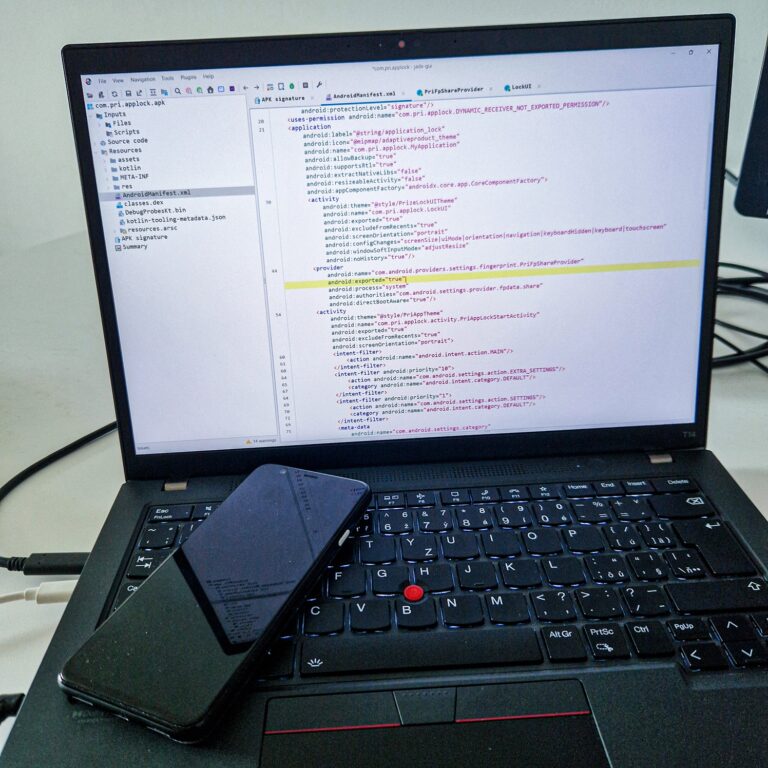
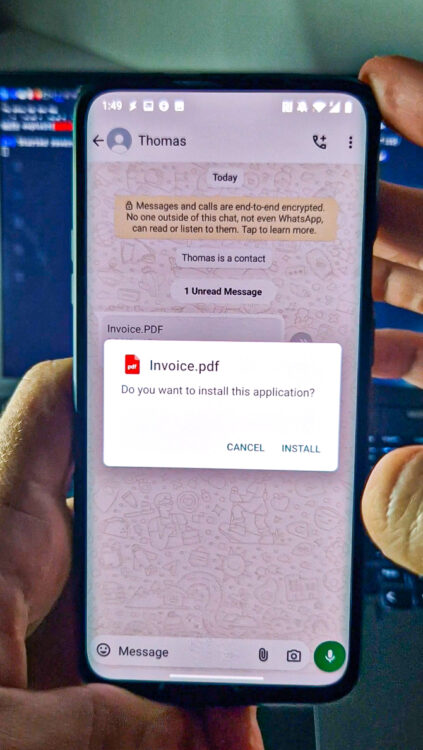
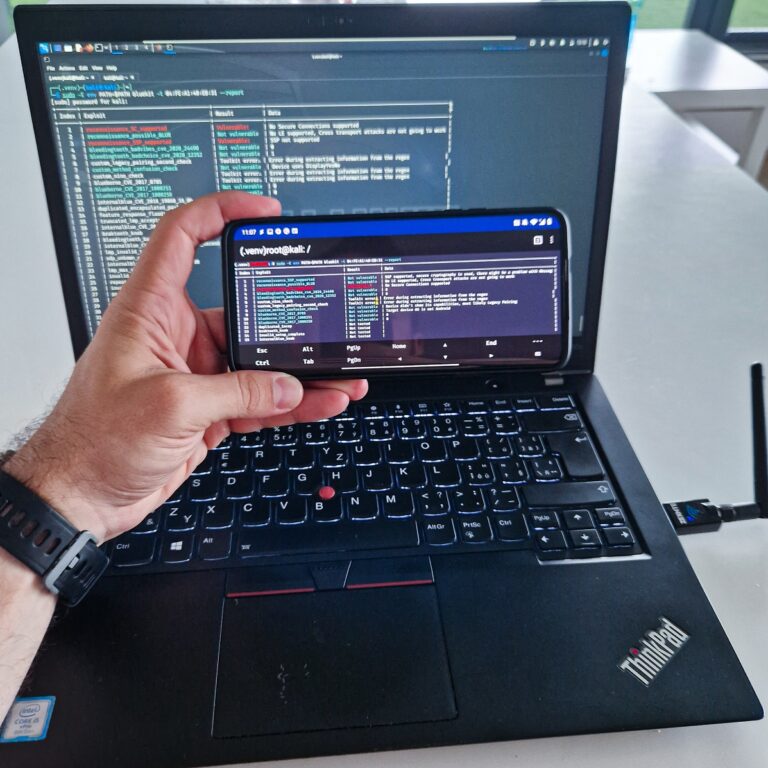
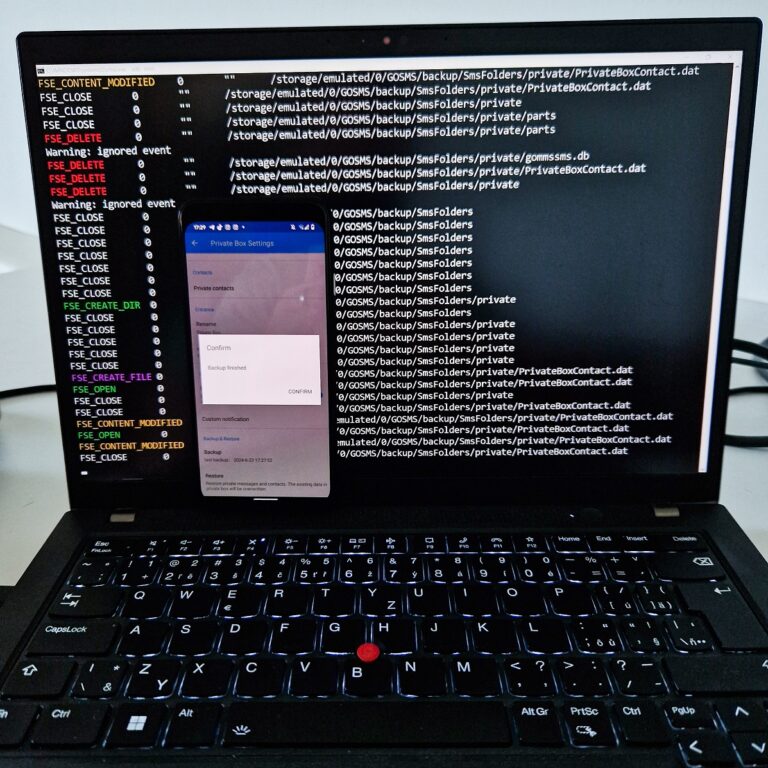
In May 2026, Google disclosed CVE‑2026‑0073 as a Critical vulnerability in the Android System component, specifically the adbd subcomponent (part of the ADB stack). The bulletin states it could lead to remote (proximal) code execution as the shell user with no user interaction required.
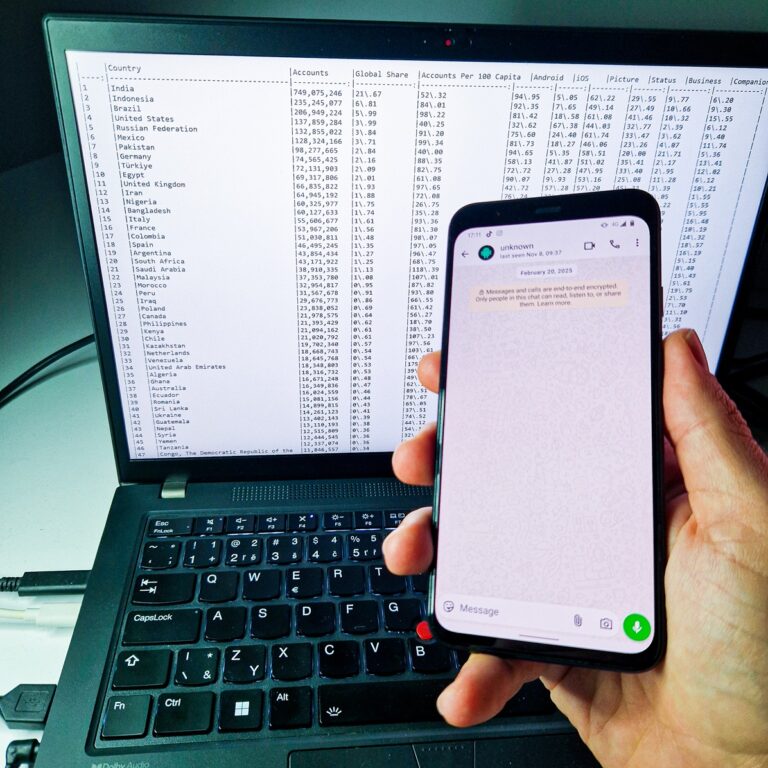
The dataset originates from metadata published in connection with a security study titled “Trivial WhatsApp Security Issue Exposed 3.5 Billion Phone Numbers.” That research demonstrated how a simple flaw could reveal phone numbers globally.
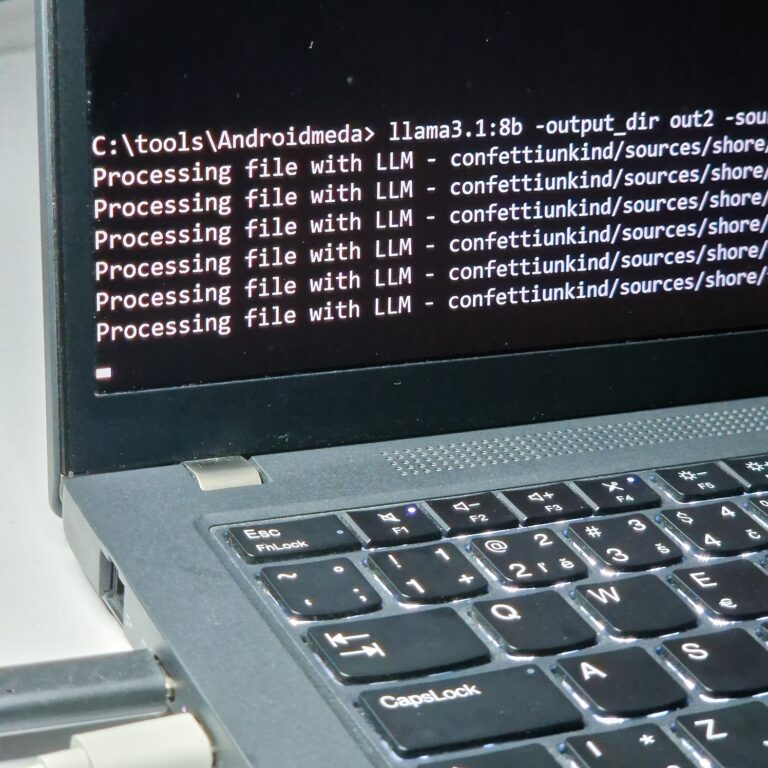
I came across a new tool—Androidmeda—that caught my attention. It attempts to deobfuscate decompiled Android code using a large language model (LLMs). I decided to give it a try, and to my surprise, the results were far better than expected.
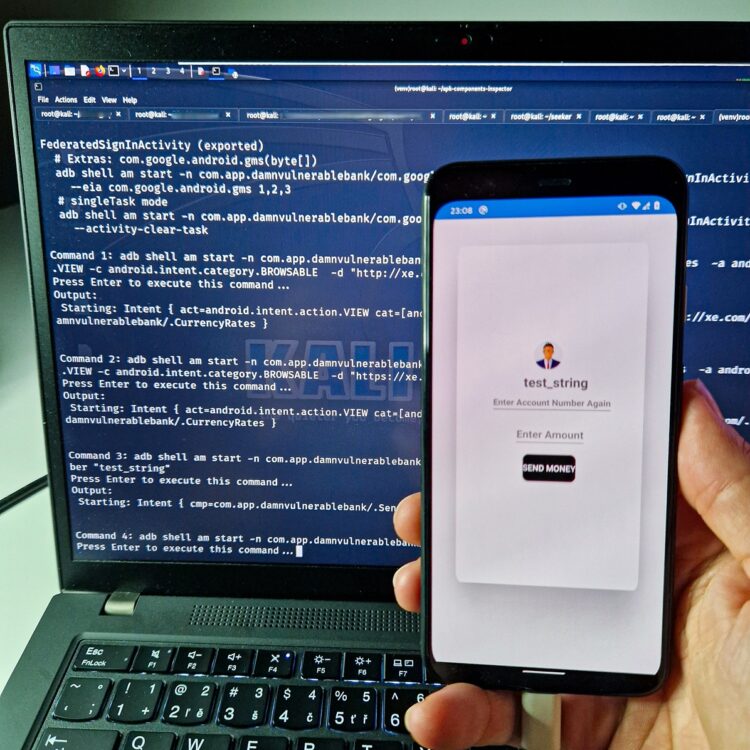
Security researchers have uncovered several critical vulnerabilities in applications preloaded on Ulefone and Krüger&Matz Android smartphones. These flaws, reported by...
A newly disclosed in Telegram for Android, dubbed EvilLoader, allows attackers to disguise malicious APKs as video files, potentially leading to unauthorized malware installations on users’ devices.
BlueToolkit is an extensible Bluetooth Classic vulnerability automated testing framework. It’s designed to uncover both new and old vulnerabilities in...
fsmon is a FileSystem Monitor utility created by by Sergi Àlvarez at Nowsecure can run on Linux, Android, iOS, FireFox...
Manage Cookie Consent
To provide the best experiences, we use technologies like cookies to store and/or access device information. Consenting to these technologies will allow us to process data such as browsing behavior or unique IDs on this site. Not consenting or withdrawing consent, may adversely affect certain features and functions.
Functional
Always active
The technical storage or access is strictly necessary for the legitimate purpose of enabling the use of a specific service explicitly requested by the subscriber or user, or for the sole purpose of carrying out the transmission of a communication over an electronic communications network.
Preferences
The technical storage or access is necessary for the legitimate purpose of storing preferences that are not requested by the subscriber or user.
Statistics
The technical storage or access that is used exclusively for statistical purposes.The technical storage or access that is used exclusively for anonymous statistical purposes. Without a subpoena, voluntary compliance on the part of your Internet Service Provider, or additional records from a third party, information stored or retrieved for this purpose alone cannot usually be used to identify you.
Marketing
The technical storage or access is required to create user profiles to send advertising, or to track the user on a website or across several websites for similar marketing purposes.